Ancestral Work
You study the author's PSYA approach to ancestral patterns and energetic and psychological connections with ancestors. It focuses on scripts and limitations regarded as ancestral within this model, and on the aim of freedom from them.
Explore Ancestral Work in the PSYA approach: investigating ancestral patterns and energetic and psychological connections with ancestors. Explore family scripts, inner grounding and clarity of your own intentions.
Includes rapport through breathing, the heart and the mirror — identification.
No prior training required · In English · In person or online · 2 hours · Practice and feedback
Explore training at PSYA School
Check the school's website for the next session and participation details.
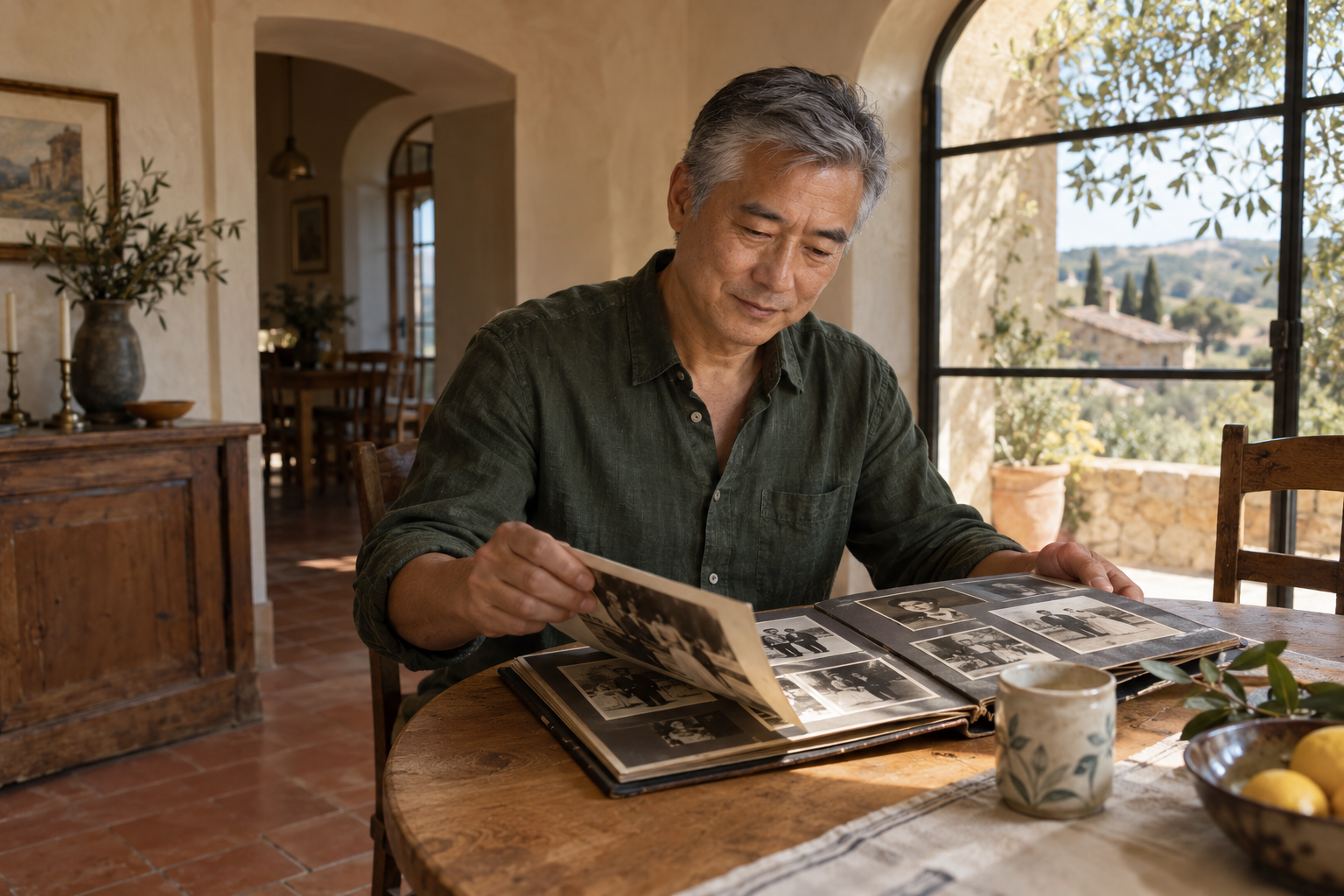
For example, your family may have a habit of keeping wishes unspoken, taking responsibility for others or repeating familiar ways of relating. You notice similar patterns in yourself and want to explore their place in your life.
You are interested in family history and what the PSYA approach describes as ancestral connections. You want to explore this experience, strengthen your sense of inner grounding and clarify your own intentions.
Ancestral Work combines the main method and rapport in one session, with practice and instructor feedback.
The author describes it as investigating ancestral patterns and energetic and psychological connections with ancestors. The method aims at freedom from ancestral scripts, debts and limitations.
Ancestral connections, the field and “ancestral debts” belong to the language of the author's approach. You explore this model and its application in practice.
The author presents the intended result as stronger inner grounding, greater personal strength and clearer intentions. This is the aim of the approach, rather than a promise of the same change for everyone.
You study the author's PSYA approach to ancestral patterns and energetic and psychological connections with ancestors. It focuses on scripts and limitations regarded as ancestral within this model, and on the aim of freedom from them.
Training includes three methods of rapport:
In the PSYA model, rapport is described as trust and deep resonance, with emphasis on the field and attention. It is included as an approach to establishing contact with another person. The author's reference of 1–3 minutes is a guide in the method's description, rather than a guaranteed time or proof of access to another person's unconscious.

Personal strength, inner grounding and clear intentions are the directions the method aims at. An individual life outcome is different from exploring a technique during a session.
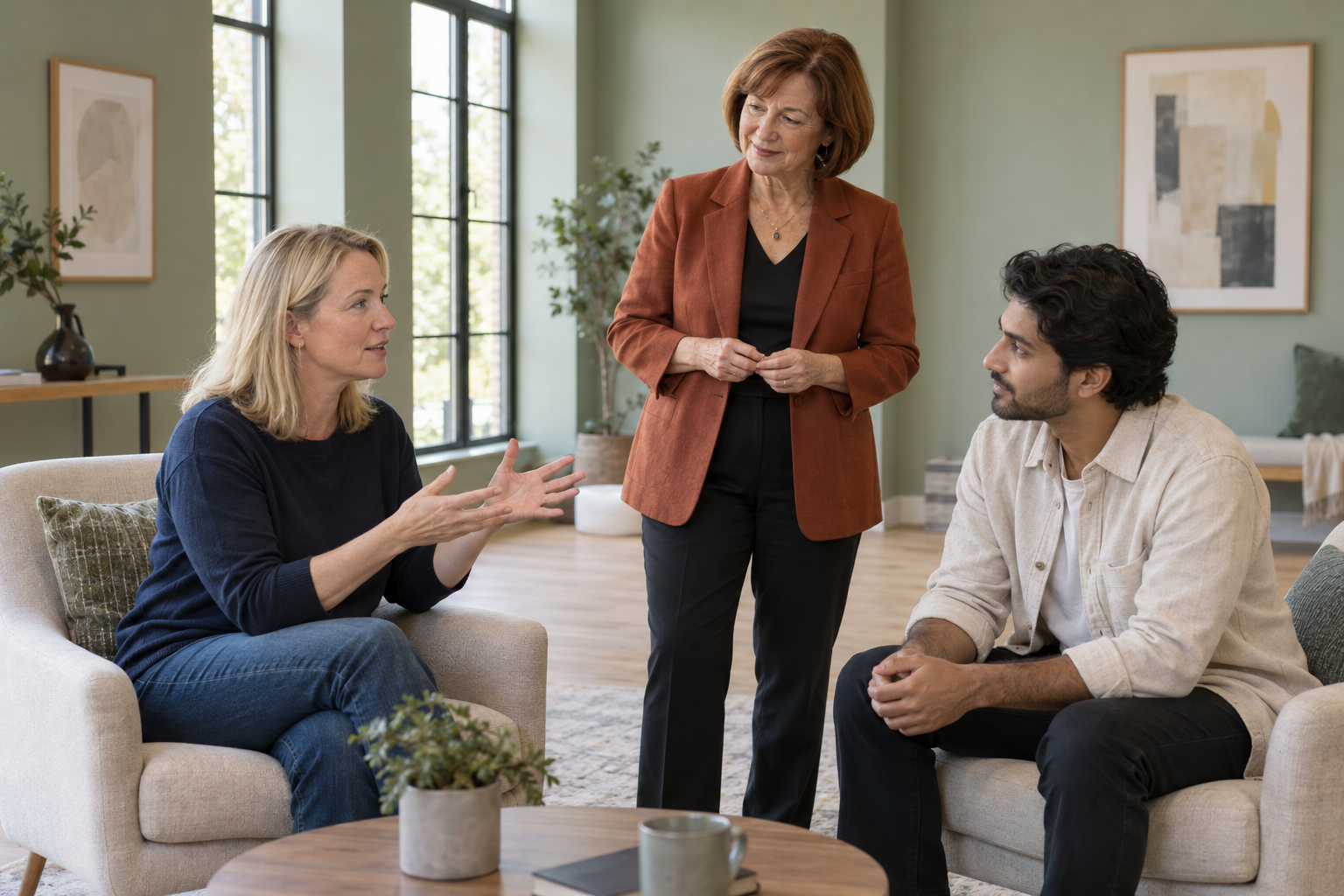
People who want to explore ancestral patterns in the PSYA approach and its model of connections with ancestors.
People interested in practice with others who want to study the main method together with rapport.
You can start without prior training. No preliminary preparation or other PSYA techniques are required.
One 2-hour session. The format is in person or online, in English.
During the session, you explore the technique, practise with another participant and receive feedback from the instructor.
Participation in the session is sufficient to complete the training. No separate skills assessment is required.
Yes. No preliminary preparation or other PSYA techniques are required.
One 2-hour session.
Yes. Both in-person and online formats are available, in English.
You receive a PDF with step-by-step instructions for the technique, which you can keep indefinitely.
After training, you may apply the method independently with other people. The session does not grant permission to teach this technique. Participation is sufficient to complete the training.
Stronger inner grounding, greater personal strength and clearer intentions. This is the aim of the method; the same result is not promised for every participant.
One session, the main method and rapport, with practice, feedback and a resource you can keep.
Explore training at PSYA School
Check the school's website for the next date, format and price.